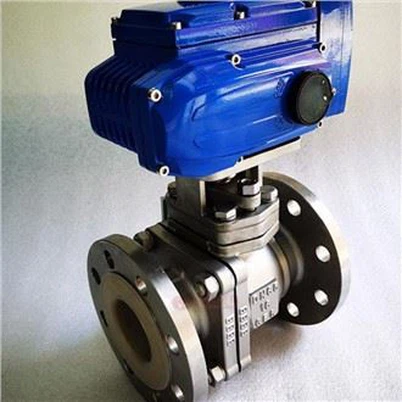
What is the difference between high-pressure and low-pressure valve?
Leave a message
The main difference between high-pressure valves and low-pressure valves lies in their design, construction, and operating capabilities to handle different pressure ranges. Here are some key distinctions:
Pressure Rating: High-pressure valves are specifically designed and constructed to handle fluids or gases at elevated pressures. They have higher pressure ratings, typically ranging from several hundred PSI (pounds per square inch) to several thousand PSI or even higher. Low-pressure valves, on the other hand, are designed for systems operating at lower pressures, typically ranging from a few PSI to a few hundred PSI.
Construction and Materials: High-pressure valves are built with robust materials and construction to withstand the forces and stresses exerted by high-pressure fluids or gases. They often feature materials such as stainless steel, alloy steel, or other high-strength materials to ensure structural integrity and prevent leaks. Low-pressure valves may use lighter materials or plastics suitable for their lower pressure requirements.
Sealing Capability: High-pressure valves are designed with enhanced sealing mechanisms to maintain tight shut-off and prevent leakage at high pressures. They may have multiple sealing points, robust seals, or specialized seal materials to ensure reliable performance under high-pressure conditions. Low-pressure valves may have simpler sealing mechanisms suitable for lower pressure ranges.
Actuation Systems: High-pressure valves often require stronger and more powerful actuation systems, such as hydraulic or pneumatic actuators, to handle the higher forces involved in operating the valve against the high-pressure differential. Low-pressure valves may be actuated using manual handwheels, smaller actuators, or simple mechanical mechanisms.
Flow Capacity: High-pressure valves are typically designed to handle higher flow rates associated with high-pressure systems. They are often sized and configured to accommodate larger pipe diameters and higher fluid velocities. Low-pressure valves are designed for lower flow rates typically found in systems operating at lower pressures.
Application Areas: High-pressure valves are commonly used in industries and applications where high-pressure fluid or gas handling is required, such as oil and gas production, chemical processing, power generation, and hydraulic systems. Low-pressure valves are utilized in applications where lower pressures are sufficient, such as HVAC systems, plumbing, irrigation, and some industrial processes.
It is important to select the appropriate valve based on the pressure requirements of the system to ensure safe and efficient operation. Using a low-pressure valve in a high-pressure application can lead to valve failure, leaks, or safety hazards, while using a high-pressure valve in a low-pressure system may result in excessive costs, over-engineering, or inefficient operation.