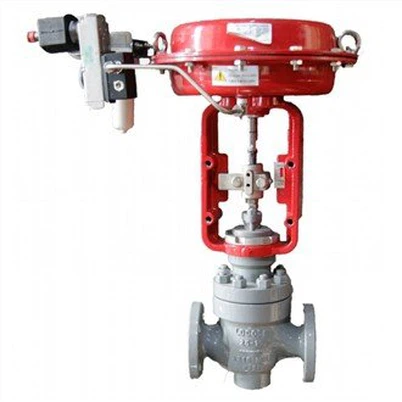
How do I know if my pressure control valve is bad?
Leave a message
Determining if a pressure control valve is malfunctioning or "bad" requires some assessment and observation. Here are a few indicators that can help you identify potential issues with a pressure control valve:
Inconsistent Pressure Regulation: If the pressure control valve is not effectively regulating the pressure within the desired range, it may be a sign of a problem. Monitor the pressure readings downstream of the valve and check if they remain steady within the desired setpoint. Fluctuations, excessive pressure, or failure to maintain the desired pressure range could indicate a faulty valve.
Leakage: Inspect the valve and its surrounding area for any signs of fluid or gas leakage. Leaks around the valve body, stem, or connections can indicate worn-out seals, damaged gaskets, or other valve integrity issues. Leakage is a clear sign that the valve is not sealing properly and needs attention.
Excessive Noise or Vibrations: Unusual noises, such as loud vibrations or excessive valve chatter, can indicate issues with the pressure control valve. Excessive noise may be caused by internal component damage, improper seating, or fluid turbulence. If the valve is excessively vibrating, it could be a sign of valve instability or flow-related problems.
Slow Response or Sticking: A properly functioning pressure control valve should respond promptly to changes in control signals or process conditions. If you notice a delayed or sluggish response, or if the valve sticks in one position, it may indicate internal issues such as clogged passages, damaged actuators, or insufficient lubrication.
Physical Damage or Wear: Visually inspect the pressure control valve for any signs of physical damage, such as bent or broken components, corrosion, or erosion. Additionally, check for signs of wear, such as excessive valve stem play, degradation of sealing surfaces, or erosion of control trim. Physical damage or wear can compromise the valve's performance and indicate the need for repair or replacement.
Valve Failure to Open or Close: If the pressure control valve fails to open or close fully, it suggests a problem. A valve that remains partially open or closed can disrupt the desired pressure control and affect system performance. Ensure that the valve is receiving the appropriate control signals and actuation power to function correctly.
If you suspect issues with your pressure control valve based on the observations above, it is recommended to consult a qualified technician or valve specialist who can conduct a thorough inspection, perform diagnostic tests, and provide appropriate maintenance or repair solutions.