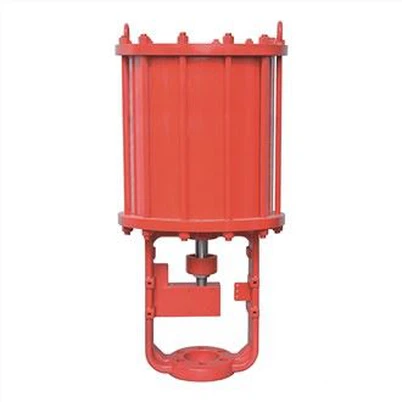
What is the use of angle control valve?
Leave a message
An angle control valve, also known as an angle valve or angle seat valve, is a type of control valve that is designed with an angled body configuration. It features an inlet and outlet connection that are oriented at an angle, typically 90 degrees or close to it.
The primary use of an angle control valve is to control the flow of fluids (liquids or gases) in applications where space is limited or where the flow direction needs to be changed. Here are some common uses and advantages of angle control valves:
Space-Constrained Installations: Angle control valves are particularly useful in situations where there is limited space for valve installation. The angled body design allows for compact installation, making it easier to fit the valve into tight or confined spaces. This makes them suitable for applications where horizontal or inline valve configurations are not feasible.
Flow Direction Change: Angle control valves are often employed when there is a need to change the flow direction of the fluid. The angled body design allows the fluid to change direction within the valve, providing a convenient solution for redirecting flow without additional piping or fittings.
Flow Rate Control: Like other control valves, angle control valves are used to regulate and control the flow rate of fluids within a system. By adjusting the valve's position, the flow area is modified, enabling precise control over the flow rate to meet the desired process requirements.
High-Viscosity Fluids: Angle control valves are well-suited for handling fluids with high viscosity, such as heavy oils, slurries, or viscous liquids. The angled body design helps to reduce the risk of clogging or blockages that can occur with high-viscosity fluids, allowing for smooth flow and efficient control.
Reliable Shut-Off: Angle control valves are often designed to provide a reliable shut-off capability, ensuring that the flow can be completely stopped when needed. This makes them suitable for applications where tight shut-off is required to prevent leakage or to isolate sections of the system.
Wide Range of Applications: Angle control valves find applications in various industries and processes, including water treatment, HVAC systems, chemical processing, food and beverage, pharmaceuticals, and steam control. They are versatile valves that can be used in both on/off and modulating control applications.
It's important to note that while angle control valves offer advantages in certain situations, their use depends on the specific requirements of the application. Factors such as fluid type, pressure, temperature, flow rate, and control system compatibility should be considered when selecting the appropriate valve type for a given application.