What is the difference between single seat and double seat valves?
Leave a message
The main difference between single-seat and double-seat valves lies in the number of seats or sealing surfaces present in the valve. Here's a comparison between the two types:
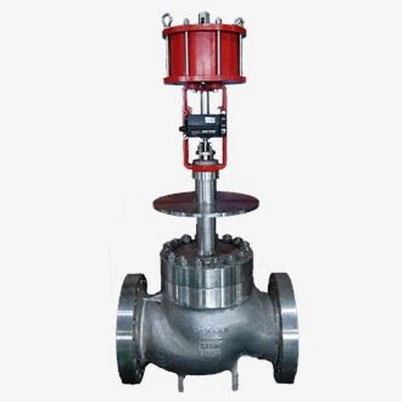
Single-Seat Valve: A single-seat valve, also known as a single-port valve or globe valve, has a single seat or sealing surface where the valve plug or disc makes contact to provide a seal. The single seat is located between the valve plug or disc and the valve body. When the valve is closed, the plug or disc comes in direct contact with the seat to shut off the flow. Single-seat valves are commonly used for control applications that require precise flow modulation.
Key characteristics of single-seat valves include:
Simple design: Single-seat valves have a relatively simple construction with a single seat, plug or disc, and actuator.
Good control accuracy: The single seat design allows for accurate and precise control of flow, making them suitable for applications that require precise flow modulation.
Limited flow capacity: Single-seat valves may have limitations in terms of their flow capacity, as the flow is restricted through a single seat opening.
Double-Seat Valve: A double-seat valve, also referred to as a double-ported valve or balanced valve, has two seats or sealing surfaces. The valve plug or disc has a sealing surface on both ends, allowing it to seal against both seats simultaneously. The seats are typically located at opposite ends of the valve body, and the flow passes through the cavity between the two seats. Double-seat valves are commonly used for applications that require bidirectional flow control or where the media may have a tendency to deposit or solidify.
Key characteristics of double-seat valves include:
Bidirectional flow control: Double-seat valves can control flow in both directions, as they have sealing surfaces on both ends of the plug or disc.
Improved sealing performance: The double-seat design allows for a balanced sealing arrangement, providing improved sealing performance, especially in high-pressure applications.
Larger flow capacity: Double-seat valves generally have a larger flow capacity compared to single-seat valves due to the presence of two seats and the flow path between them.
Applications of single-seat and double-seat valves:
Single-seat valves are commonly used for precise flow control in applications such as process control, HVAC systems, and water treatment.
Double-seat valves are often employed in applications that require bidirectional flow control, such as mixing or blending processes, high-pressure applications, and processes with potential deposition or solidification.
In summary, single-seat valves have a simpler design with a single seat, while double-seat valves have two seats and are capable of bidirectional flow control. Single-seat valves are suitable for precise flow modulation, while double-seat valves offer balanced sealing and larger flow capacity. The choice between single-seat and double-seat valves depends on the specific application requirements, including flow control needs, pressure conditions, and media characteristics.