What is single seated control valve?
Leave a message
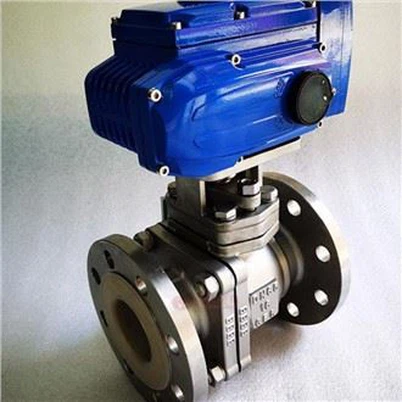
A single-seated control valve, also known as a single-port control valve or globe valve, is a type of control valve used to regulate the flow rate of a fluid in a piping system. It consists of a valve body, a plug or disc, a seat, and an actuator. The design of a single-seated control valve allows for precise control of flow by varying the position of the plug or disc in relation to the seat.
Key features of a single-seated control valve include:
Valve Body: The valve body of a single-seated control valve typically has a globular or spherical shape, which gives it the name "globe valve." The body has an inlet and an outlet port, and the fluid flows through a single opening in the valve body.
Plug or Disc: The plug or disc is the movable element of the valve that controls the flow by adjusting the flow area. It is attached to a valve stem and moves up and down or rotates to modulate the flow rate. The plug or disc is designed to provide a tight seal against the seat when in the closed position.
Seat: The seat is the stationary element of the valve against which the plug or disc seals. It is usually made of a material that provides a good sealing surface and resistance to wear, such as metal or soft elastomers. The seat ensures a tight shut-off when the valve is closed and helps to control the flow when the valve is partially or fully open.
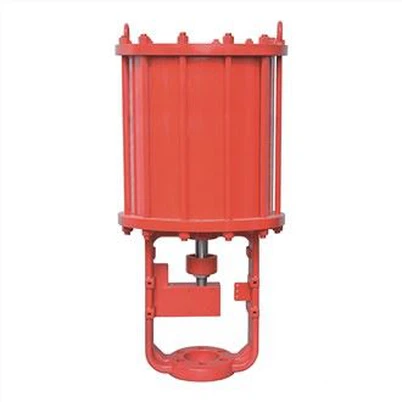
Actuator: The actuator is responsible for moving the plug or disc in response to a control signal. It can be manual, pneumatic, hydraulic, or electric, depending on the application and control requirements. The actuator provides the necessary force or torque to position the plug or disc accurately and adjust the flow rate accordingly.
Applications of single-seated control valves: Single-seated control valves are commonly used in various industries, including oil and gas, chemical, power generation, water treatment, and HVAC systems. They are suitable for applications that require precise control of flow rate, such as regulating process parameters, maintaining set points, and managing fluid levels.
Advantages of single-seated control valves:
Precise control: The design of single-seated control valves allows for accurate and precise control of flow rate.
Good throttling capabilities: They provide good throttling and flow modulation capabilities, allowing for a wide range of flow rates.
Reliable shut-off: Single-seated control valves offer reliable shut-off with tight sealing against the seat when closed.
Versatility: They can handle various flow media, including gases, liquids, and steam, depending on the materials used for construction.
Straight-through flow: Single-seated control valves typically provide a straight-through flow path, minimizing pressure drop and flow disturbances.
Overall, single-seated control valves are widely used for precise flow control in industrial processes, providing reliable shut-off and accurate modulation capabilities.