

Problems caused by improper selection of high-pressure control valves
Leave a message
High-pressure control valves play a key role in industrial systems, responsible for controlling the flow, pressure and temperature of media, and ensuring the stability and safety of industrial production. However, in practical applications, if the high-pressure control valve is improperly selected, it will often lead to a series of problems in sealing performance, flow control, material durability, etc., which not only affects the overall operating efficiency of the system, but may also bring safety hazards and additional costs. maintenance costs. Therefore, it is critical for industrial operators and engineers to understand the major issues with improperly sizing high-pressure control valves and their specific effects on the system.
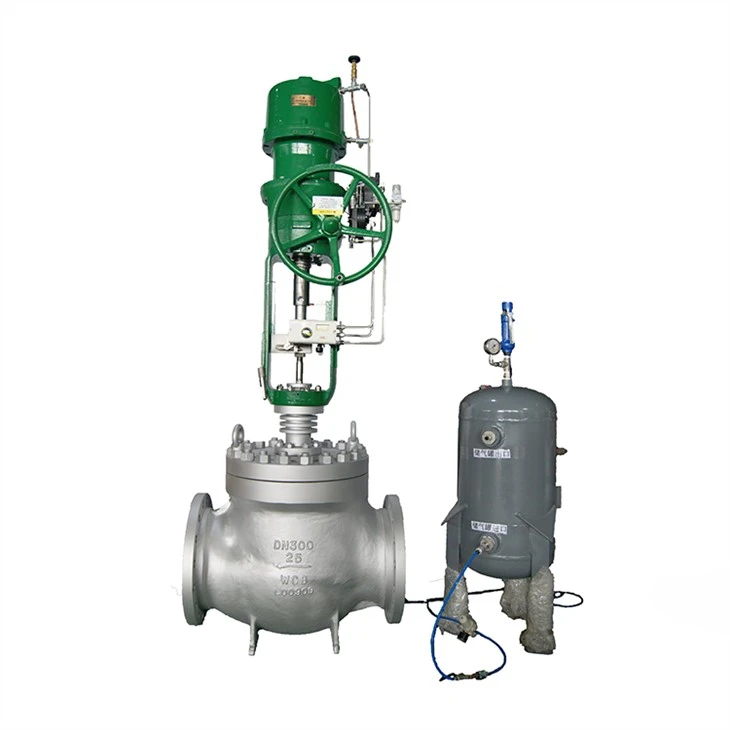
How does improper selection affect the sealing performance and operating stability of the high-pressure control valve?
Sealing performance issues
Sealing performance is one of the important factors that must be considered when selecting a high-pressure control valve. Unsuitable seal materials can significantly affect the sealing effect of the valve, especially under high pressure conditions:
- Improper selection of seals: In high-pressure environments, some improper seals may deform due to high pressure, causing leakage problems. Especially in very strict operating environments, a reduction in sealing may cause leakage of materials inside the system, triggering potential safety challenges.
- The impact of reduced sealing performance: Poor sealing performance not only hinders the normal operation of the valve, but may also induce various failures, which may further affect the entire system and threaten the stability of the system.
Operational stability issues
The production quality of a process is profoundly affected by the accuracy of flow control, however, improper valve selection can hinder flow regulation performance:
- Wear under high-frequency operation: The selection of inappropriate valves will cause the system flow characteristics to be inconsistent with the required accuracy, thus negatively affecting the stable operation of the entire system.
- Increased failures in long-term operation: Uneven flow control may destroy the balance of the system, which may lead to increased energy consumption and production costs, thereby affecting energy efficiency.
What impact will improper selection of high-pressure control valves have on the system's pressure control and flow regulation?
System pressure control issues
Although high-pressure control valves play a role in regulating pressure in actual industrial processes, if they are not properly selected, they may lead to a variety of control difficulties:
- Pressure overshoot or undershoot: If the selection is wrong, the pressure adjustment limit of the valve may not match the actual needs of the system, which may reach too high or too low a pressure level, which will have an adverse effect on the stability and safety of the system
- Delayed response: Improperly selected valves may not meet the requirements of rapid adjustment, which may lead to prolonged response time, which will lead to the inability to quickly respond to fluctuations in the system's instantaneous pressure, thereby threatening the safety of production.
Flow regulation problem
The accuracy of flow control has a huge impact on the quality of process production, but improper valve selection will interfere with the flow regulation effect:
- Mismatched flow characteristics: Improperly selected valves are inconsistent with the system flow characteristics, making it difficult to achieve the required accuracy, affecting the stable flow of the entire system.
- Reduced system efficiency: Mismatched flow control will cause the system balance to be destroyed, thereby increasing energy consumption and production costs and reducing energy efficiency.
What corrosion and wear problems will be caused by the selection of inappropriate high-pressure control valve materials?
Material corrosion problem
High-pressure control valves are often in corrosive media. Improper material selection will accelerate valve corrosion:
- Application of non-corrosion-resistant materials: When the selected material loses its corrosion resistance, the valve will be quickly damaged in a corrosive environment, thereby reducing its service life
- The impact of corrosion on structural strength: Corrosion not only destroys the sealing characteristics of the valve, but also reduces its structural strength, which may cause safety problems and increase maintenance costs
Material wear problem
In high-temperature and high-pressure environments, the wear resistance of materials is particularly important. Improper selection will lead to increased valve wear:
- Insufficient wear resistance: If the valve material is not wear-resistant, it will be quickly worn in a high-pressure or high-temperature environment, which will affect the accuracy of flow adjustment and sealing performance
- Due to wear, valve leakage may occur: Long-term wear will cause the valve's sealing function to be interrupted, causing leakage, which may have an adverse effect on the safety and stability of the overall system
In high temperature and high pressure environments, what faults or failures are prone to occur with improperly selected high pressure control valves?
Thermal expansion problems
The thermal expansion coefficients of different materials vary greatly, and improper selection may cause valve failure in high temperature environments:
- Mismatched thermal expansion coefficients of materials: At high temperatures, if the expansion coefficients of valve materials and seals do not match, the valve may deform or get stuck, affecting the normal regulation of flow and pressure.
Material deformation and embrittlement
- Material selection under high temperature and high pressure is particularly critical, otherwise deformation or embrittlement will lead to structural failure:
- Material embrittlement: Some materials will become brittle under high pressure conditions, causing fracture or deformation, which seriously threatens system safety.
- Structural failure: Inappropriate materials are prone to deformation in high temperature and high pressure environments, thereby affecting the flow control and stability of the valve.
Leakage and pressure instability
In high temperature and high pressure environments, improper valve selection may lead to frequent leakage and pressure fluctuation problems:
- Frequent leakage: Sealing materials may lose elasticity at high temperatures, resulting in reduced sealing effect and leakage problems.
- Pressure fluctuation: Improper selection will lead to unstable pressure in the system, further affecting operational safety.
How does improper selection of high-pressure control valve increase maintenance costs and affect production efficiency?
Increase maintenance costs
Improper selection will lead to frequent valve failures and increase maintenance costs:
- Frequent failures: Improperly selected valves are prone to failure during use, and frequent repairs and replacement of parts will significantly increase maintenance costs.
- Frequent replacement of seals and wearing parts: Seals are not durable or the materials are not suitable for use conditions, resulting in increased replacement frequency and higher maintenance costs.
Affect production efficiency
Frequent failures and insufficient performance of valves will directly affect production efficiency:
- Production interruption: Frequent valve problems will cause production line shutdowns, seriously affecting output and economic benefits.
Waste of resources: Valves with poor adjustment accuracy increase energy consumption, cause serious waste of resources, and affect cost control.
In the actual industrial manufacturing process, the selection of high-pressure control valves directly affects its working performance, lifespan and the working performance of the entire system. Choosing the wrong model may not only lead to weakened sealing ability, aggravated corrosion problems and increased maintenance costs, but is also likely to cause major safety risks. By carefully selecting the right materials, matching the flow and pressure requirements, and strictly implementing control during the selection process, the operating stability of the high-pressure control valve can be greatly enhanced, while also ensuring the continued safe and stable operation of the system. At the same time, with the increasing development of technology, the selection methods and testing methods are constantly being updated, which will ensure that the selection of high-pressure control valves in the future will be more accurate and further support the high-efficiency growth of industrial production.


