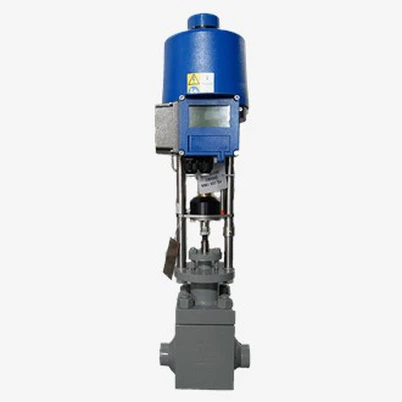
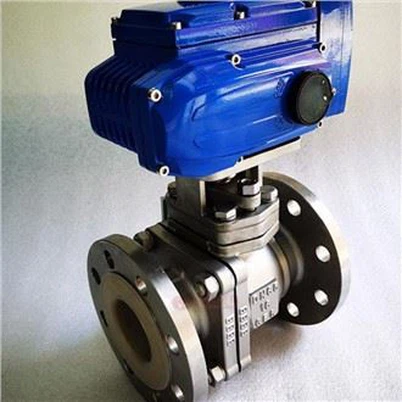
Measures to prevent leakage of single-seat control valves
Leave a message
The main cause of excessive friction between the spool and the seat of single-seat regulating valve
Material factor
- Material mismatch: When the spool and seat use different materials or the compatibility between materials is not good, it is easy to produce greater friction. Such as poor metal surface roughness, cracks and other defects, will reduce the friction coefficient, resulting in stuck phenomenon, affecting the normal operation of the valve. For example, direct contact between metals is usually more significant than friction between metals and non-metals.
- Excessive surface roughness: Due to the micro-uneven surface of the spool and seat, the contact area will increase, resulting in increased friction. When the contact surface is rough, the fluid flow resistance increases, resulting in increased friction power and even severe wear. In general, in order to ensure excellent lubrication and sealing, the roughness of the surface needs to be maintained within a specific limit.
Design defect
- There is a problem with the structural design: if the contact surface of the spool and the seat is improperly designed, such as the contact area is too large or too small, it may lead to uneven distribution of friction, thereby increasing the overall friction.
- Defects or design errors in the lubrication system: Without an efficient lubrication system or improper design of the lubrication system, the spool and seat may lack the necessary lubrication during movement, resulting in increased friction.
Improper operation and maintenance
- The valve has not been properly lubricated for a long time: Regular lubrication is the core of ensuring the stable operation of the valve. When the lubricating oil film is destroyed, a large amount of carbon deposit will be produced, causing the valve body and sealing surface to wear. If lubrication is not paid attention to for a long time, the coefficient of friction between the spool and the seat may rise.
- Impurities in the medium: particles, corrosion and other impurities in the fluid medium will enter the gap between the valve core and the seat, resulting in wear or astringent, thereby increasing friction.
Environmental factor
- Temperature fluctuations: When the temperature changes, the material undergoes a process of thermal expansion and cold contraction, which changes the matching gap between the spool and the seat, which in turn affects the friction.
- Corrosive media: Certain fluid media can erode the material of the spool and seat, changing the appearance and roughness of its surface, resulting in increased friction.
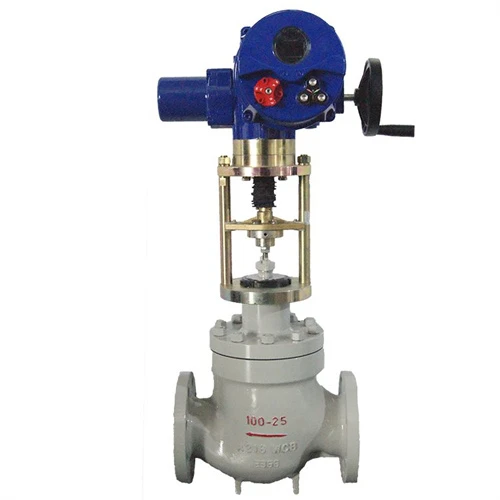
How to detect whether the friction between the single seat regulator spool and the seat is too large
Direct measurement method
With the help of specific tools such as torque wrenches or torque gauges, we can directly measure the value of the torque generated when the valve is opened or closed. The friction factor is calculated according to the formula by using gauge and dial indicator for reading and drawing curve. By comparing the standard values with past data, we can determine if the friction exceeds the limit.
Indirect observation method
- Check whether the operation of the valve is smooth, and whether there is any abnormal situation such as stuck or beating. If the operation of the valve is unstable, this usually indicates considerable friction.
- Monitor the valve opening and closing time and compare it with past data. If the opening and closing time of the valve is significantly increased, this may mean that the increased friction is causing the movement of the valve to be hindered.
instrumentation
- The friction force between the spool and the seat is accurately measured by the friction test equipment. A new testing method, force sensor method, is adopted in the testing process. This instrument can visually display the amplitude and variation of friction force, thus providing strong support for accurate diagnosis of problems.
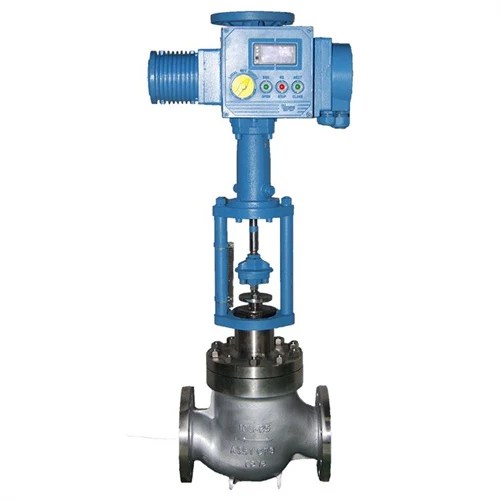
Common methods for reducing the friction between the spool and the seat of a single seat regulating valve
Improved material and surface treatment
- To reduce friction between spool and seat, wear resistant and self-lubricating materials such as stainless steel and ceramics are selected.
- A series of coating or coating treatments are applied to the surface of the spool and seat, including spraying of wear-resistant alloy and nickel plating, in order to improve surface roughness and reduce friction.
Optimal design
- By optimizing the design of the spool and seat contact surface, such as streamlining the design and reducing the contact area, you can effectively reduce friction and improve lubrication.
- To ensure that the spool and seat are adequately lubricated during movement, we can add or optimize the lubrication system, such as adding lubrication holes or installing lubricators.
Regular maintenance and maintenance
- Regularly remove debris and stains between the spool and seat to ensure it is always clean. In particular, it is necessary to pay close attention to whether the lubrication system is running smoothly.
- Add lubricants regularly according to the maintenance plan and ensure that the quality and variety of lubricants meet the standards for use. At the same time, we need to pay close attention to the use of lubricants, and timely replenishment.
Adjust operating conditions
- It is necessary to ensure that the temperature and pressure of the fluid medium are maintained within an acceptable range to prevent increased friction due to thermal expansion and contraction or excessive pressure.
- To reduce wear and friction, avoid opening and closing valves frequently. If conditions permit, we can use the automatic adjustment characteristics of the regulator to reduce the number of manual operations.
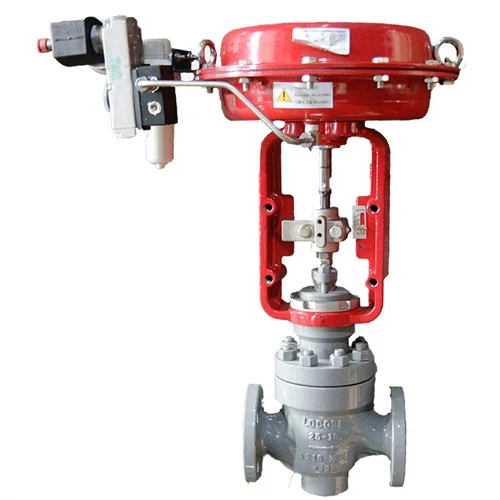
The specific influence of excessive friction on the performance and life of single-seat regulating valve
Performance degradation
- Excessive friction will reduce the accuracy of regulation, resulting in the valve can not accurately respond to the control signal, and then have an adverse impact on the stability and accuracy of industrial control systems.
- As response speed slows and latency increases, the adjustment time of the control system becomes longer, resulting in a decrease in the dynamic performance of the system. In order to improve the control efficiency and stability, variable structure control method is usually used to improve the control effect of the system. In the event of an emergency, this may prevent the timely implementation of robust measures, thereby posing potential security risks
Shortened life
- Excessive friction speeds up the wear of the spool and seat, increasing leakage. This situation will not only have a negative impact on the sealing effect of the valve, but also may bring pollution to its surrounding environment.
- Increasing the frequency of maintenance and increasing the cost of operation and maintenance are the direct economic effects of excessive friction. With the continuous growth of car ownership and people's increasingly strict requirements for safe driving, frequent vehicle failures have become one of the bottleneck problems restricting the development of the automobile industry. Frequent parts repair and replacement not only increase the company's operating costs, but also may have an adverse impact on the continuous operation and efficiency of the production line.
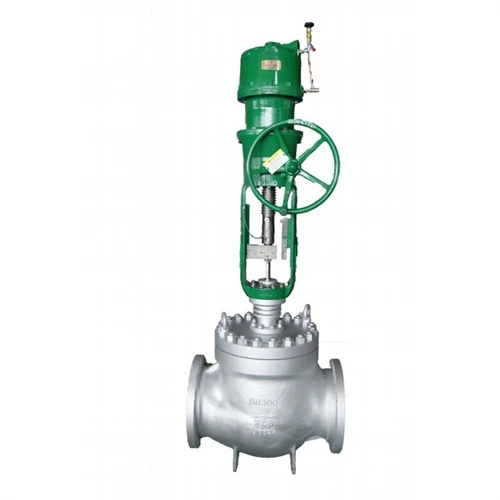
How to prevent the increase of friction between the spool and the seat of the single-seat regulator in daily maintenance
Establish a regular maintenance system
- has developed a detailed maintenance program covering the specific execution times and cycles of various items such as lubrication, cleaning and inspection. Ensure the timeliness and efficiency of maintenance tasks.
- creates a detailed maintenance record file. Each maintenance task, result, and problem are recorded in depth for subsequent follow-up and analysis.
Strengthen operational training
- Professional training in valve use is provided to operators to enhance their operating ability and understanding of valve construction. It is important to ensure that they are able to operate the valve in a correct and standardized manner to prevent increased friction due to misoperation.
- Regularly arrange technical exchanges and learning activities for operators to share experience and troubleshooting skills in order to jointly improve operational skills.
Monitoring media quality
- Regular quality testing and analysis of fluid media to understand the content of impurities and corrosive components. Based on the test data, we adopt a series of processing methods, such as filtration and purification, to ensure that the purity of the medium meets the use of the valve standards.
- A media quality monitoring system is constructed to conduct real-time observation and early warning of critical media. In the production process of the valve, the quality of the medium must be tested regularly in strict accordance with the requirements of the process regulations. Once the quality of the medium is detected, appropriate treatment measures should be implemented immediately to prevent further damage to the valve.
Spare parts management
- Prepare the necessary spare parts and accessories, including spool, seat, lubricant and sealing parts. Ensure that components can be quickly replaced to restore the valve to normal working condition in the event of valve failure or maintenance.
- Inspect and test spare parts and spare parts regularly to ensure that their quality and performance meet the standards for use. At the same time, we need to establish a spare parts inventory management system to ensure the rationality of inventory and orderly management.