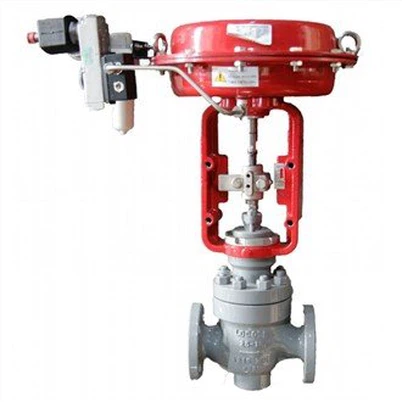
Causes and solutions to the leakage problem of single-seat control valves
Leave a message
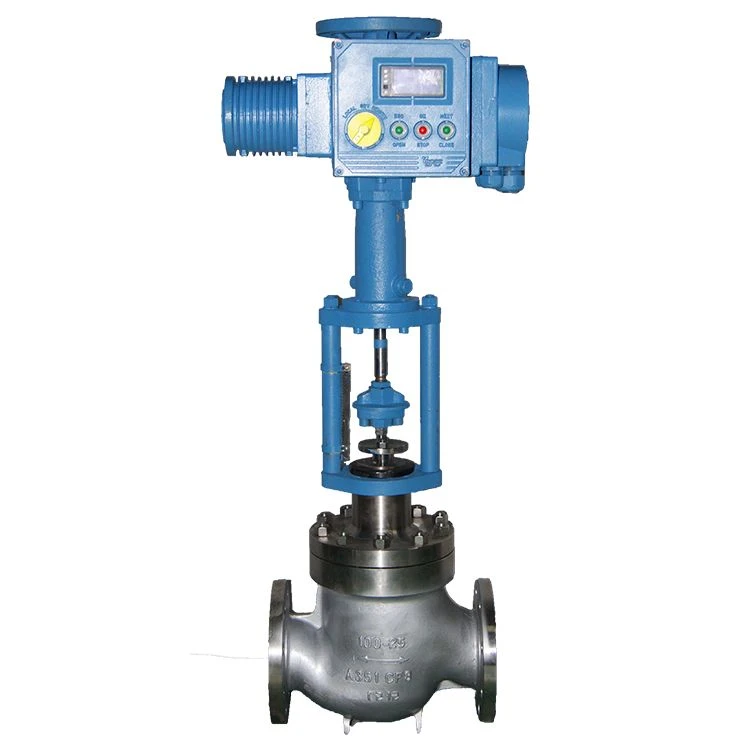
Single-seat control valves are core components of industrial control systems. They are widely used in many industries such as petroleum, chemical, electric power, and metallurgy, and play a vital role in accurately regulating and controlling fluid media. With the development of science and technology and the improvement of industrial production levels, single-seat control valves have been widely used and are gradually developing in the direction of intelligence. However, in actual operation, leakage problems of single-seat control valves occasionally occur, which not only reduces production efficiency and product quality, but also may cause safety hazards and bring potential risks to workers and the environment. In addition, leakage of single-seat control valves due to their own structural characteristics and manufacturing process defects is also common. Therefore, in-depth research on the causes and solutions of leakage problems of single-seat control valves is of great importance for enhancing the stability and safety of industrial production processes.
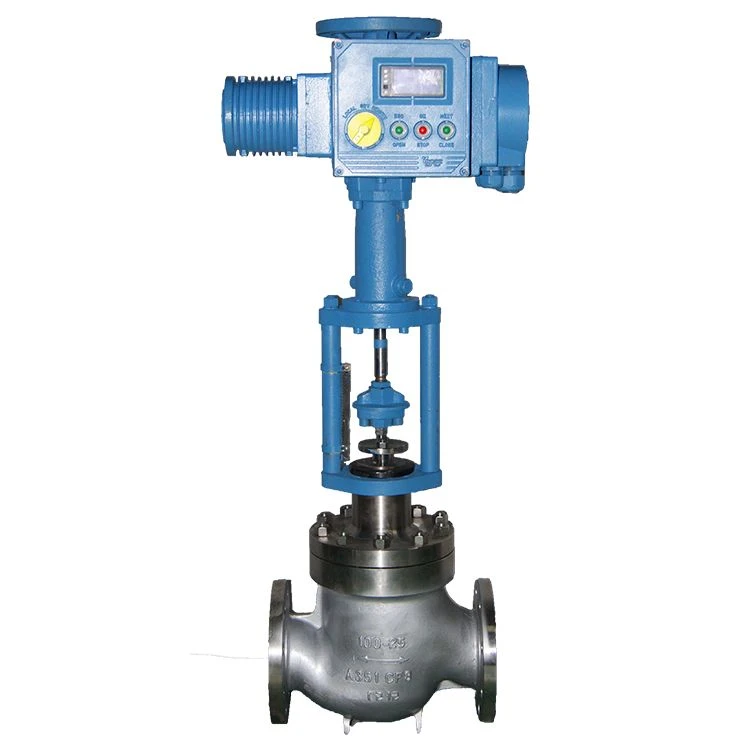
The main cause of leakage of single-seat control valves
Aging and wear of seals
In single-seat control valves, sealing components play a core role in preventing leakage. At the same time, the presence of some impurities in the medium can also cause corrosion of seals. Over time, due to aging, wear or deformation of the material, the sealing components may lose their original sealing properties. Especially in harsh environmental conditions such as high temperature, high pressure and corrosive fluids, the aging and wear rate of the seals will be significantly accelerated, which may cause leakage problems
Improper installation
A key factor in the leakage of single-seat control valves is errors or omissions during the installation process. In actual use, valves may leak to varying degrees due to various reasons, causing medium loss and environmental pollution, and even endangering personal and equipment safety. If the installation position is not accurate enough, the fixing torque is not enough, or the sealing surface is not thoroughly cleaned, these may cause poor sealing effect, thereby increasing the risk of leakage.
Fluid medium corrosion
In the fluid medium, corrosive components may corrode the material of the control valve, which may cause the surface of key components such as the valve body and valve core to become rough, weak or cracked, thereby affecting its sealing effect and may cause leakage.
Other factors
In addition to the factors mentioned above, external conditions such as temperature, pressure fluctuations and vibrations may also be the cause of leakage of single-seat control valves. In order to avoid valve failure or damage, it needs to be inspected and maintained regularly. If the temperature changes, the seal may experience thermal expansion and contraction, resulting in a certain gap; due to pressure changes, the sealing surface may deform due to greater pressure; vibration will reduce the flow rate and flow of the fluid, thereby increasing the loss of the medium. When vibration occurs, the sealing parts may become unstable or suffer more severe wear.
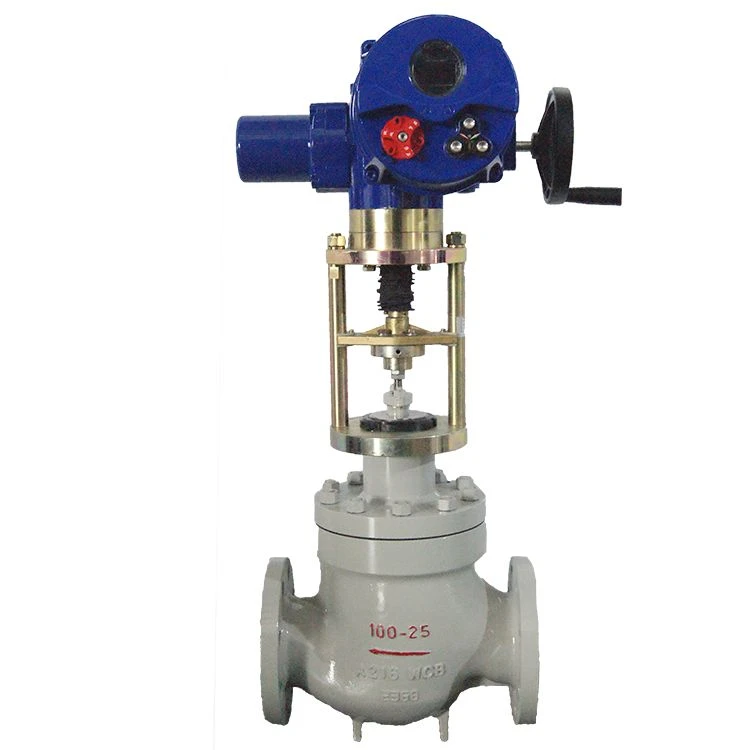
How to Identify Leakage in Single-seat Control Valve
Visual Inspection
When leakage occurs, the most obvious symptom is dripping, wetting or frosting on the outside of the control valve. When the control valve fails, it will cause abnormal conditions such as pressure drop and flow reduction. Through periodic inspections and tests, we can identify these abnormal signs in time.
Instrument Testing
With the help of professional testing tools such as pressure testers and flow monitors, we can more accurately measure and evaluate the leakage of single-seat control valves. There are many different types of valve testers on the market. These instruments have the ability to detect trace leakage and can effectively help determine the location of the leak point.
Performance Changes
Leakage may have an adverse effect on the working efficiency of single-seat control valves. Therefore, in actual applications, control valves must be regularly inspected and maintained. For example, the flow control may not be stable enough and the pressure fluctuation may increase. By monitoring the operating parameters and performance standards of the control valve, we can indirectly determine whether there is a risk of leakage.
The influence of sealing material selection on the leakage of single-seat regulating valve
Sealing material type
Common sealing materials include rubber, metal and plastic. Since each material has its own unique characteristics, it is necessary to select the appropriate sealing material according to specific requirements in the application to achieve the ideal effect. Various materials have their own unique sealing characteristics and usage scenarios. Plastic seals have excellent heat resistance, aging resistance, chemical resistance and wear resistance, but they are hard and easy to damage the equipment. For example, rubber seals have excellent elasticity and sealing, but their tolerance to high temperature and corrosion is relatively weak; metal sealing parts are excellent in high temperature resistance and corrosion resistance, but their sealing effect is not ideal.
Compatibility of materials with fluid media
When selecting sealing materials, their compatibility with fluid media must also be considered. For example, seals working under liquid media may leak or even fail. Some fluid media may cause swelling effect on rubber, thereby reducing its sealing performance; in addition, some liquid media will also affect the sealing of seals. Metal sealing parts may corrode faster due to corrosive components in the fluid.
Material selection suggestions
In the process of selecting sealing materials, it is necessary to comprehensively consider multiple variables such as the properties of the fluid, operating temperature and pressure. In general, the corresponding sealing materials should be selected according to the different medium temperatures and pressures. In the face of harsh environments such as high temperature, high pressure and corrosive fluids, we should choose materials that can withstand high temperatures and have high corrosion resistance; for low temperature, low pressure, non-corrosive fluids, materials with high temperature resistance, corrosion resistance and stress corrosion resistance can be selected. For those application scenarios that require excellent sealing characteristics, it is recommended to use materials with good elasticity and high sealing properties.
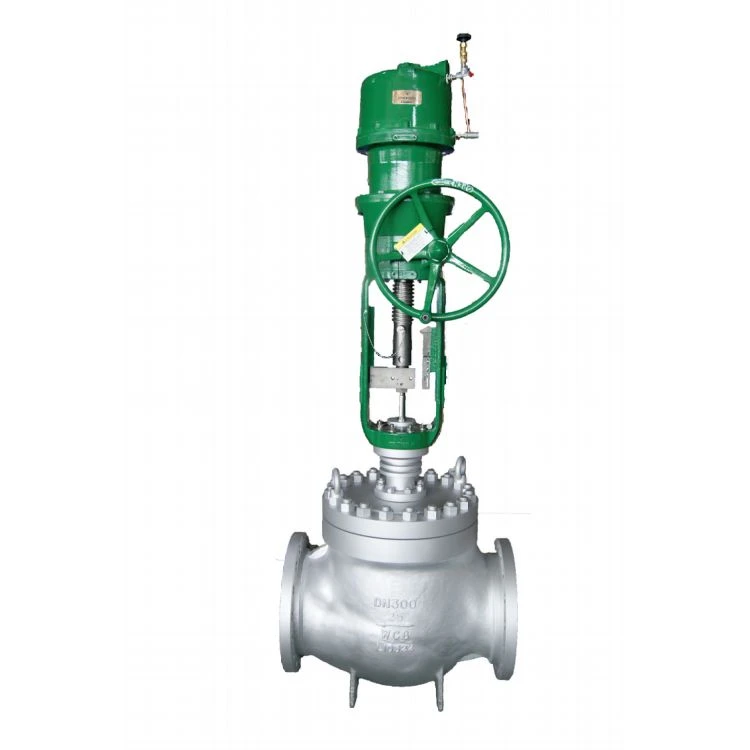
Solutions or repair technologies for leakage problems of single-seat regulating valves
Replacing seals
When seals are aged, worn or damaged, they should be quickly replaced with new ones. Since valves with poor sealing performance are prone to leakage, they must be inspected and repaired regularly. During the replacement process, it is necessary to ensure the matching between the seals and key components such as the valve body and valve core, and to strictly follow the installation regulations for installation and commissioning.
Adjustment and tightening
If the leakage is caused by improper installation or insufficient tightening, the problem can be solved by adjusting the installation position or tightening related components. Different types of valve core structures are analyzed and compared, and the appropriate installation scheme is determined, and specific examples are given to illustrate. When adjusting, the coaxiality and verticality of the regulating valve must be ensured, and it must be fixed according to the established torque.
Application of advanced sealing technology
With the advancement of science and technology, single-seat regulating valves have gradually adopted more cutting-edge sealing technologies. At present, many new sealing forms have emerged in the valve industry on the basis of improving traditional sealing structures. For example, there are metal sealing technology and elastic sealing technology. In the design process of the control valve, it is necessary to comprehensively consider various factors, select appropriate sealing materials, reasonably set the valve port structure and valve core position, and ensure that the valve can operate normally. This set of technology can effectively enhance the sealing effect and stability of the control valve, thereby reducing the possibility of leakage accidents.
Repair and remanufacturing
For those single-seat control valves that are severely damaged, we can consider repairing or remanufacturing. Both repair and remanufacturing require a large investment of manpower, material and financial resources. The core goal of repair is to repair or replace the damaged parts; replacement requires redesigning a new valve body structure and adopting new materials and processes. The remanufacturing process is to use cutting-edge manufacturing technology and materials to deeply upgrade and improve the control valve so that it meets or exceeds its original performance standards.
Measures to prevent leakage of single-seat control valves
Select high-quality sealing materials
Selecting high-quality sealing materials is the core of preventing leakage. We must ensure that the sealing materials used meet the relevant standards and regulations, and have excellent sealing, high temperature resistance and corrosion resistance.
Optimize the design of control valves
By optimizing the design of control valves, we can reduce the possibility of leakage. At present, there are some deficiencies in the manufacturing process of control valves. For example, measures such as optimizing the sealing structure, improving the accuracy of processing, and increasing the strength of materials. It also includes adding throttling elements inside the valve to increase the flow coefficient, or using new materials to manufacture the valve seat to reduce fluid resistance loss, etc. Through these design optimizations, the sealing and stability of the control valve have been significantly improved.
Strengthen the quality control of installation and commissioning
During installation and commissioning, it is necessary to strictly follow the relevant standards and regulations to operate. Especially for large equipment, it is more important to pay attention to its sealing and the selection and application of sealing structure. Make sure that the installation position of the equipment is accurate, maintain the appropriate tightening torque, and ensure that the sealing surface is clean and clean. Valves that may have problems should be repaired and handled in time, and records should be kept to ensure their safe operation. In addition, necessary performance tests and inspections are required to ensure that the control valve can meet the design requirements and working conditions.
Regular maintenance and inspection
Developing and implementing regular maintenance strategies is a key means to prevent leakage. According to the actual situation of the valve during the production process. For single-seat control valves, comprehensive inspections, cleaning and parts replacement and other maintenance operations should be carried out regularly. According to various faults and abnormal conditions that occur in the actual operation of the valve, effective measures should be taken in time to eliminate them. It is necessary to identify and solve possible problems in a timely manner to ensure that the control valve is always in the best working condition.
Training and awareness enhancement
Strengthening the training of operators and improving their awareness are key steps to prevent information leakage. In response to the valve leakage accident that occurred on site, a theoretical analysis was conducted, and specific and feasible treatment methods were proposed and applied in practice. After a special training course, the operators were able to have a deep understanding of the operating mechanism, unique performance and operating specifications of the control valve; through skill training, the operating ability and the emergency response ability to deal with emergencies on site were improved. By raising awareness, operators can pay more attention to the hazards of leakage problems and the importance of prevention.
The leakage problem of single-seat control valves is a complex and serious problem, and its causes involve many aspects. In order to effectively prevent and solve leakage problems, we need to conduct in-depth analysis from multiple angles such as seal aging and wear, improper installation, and fluid medium corrosion; at the same time, we also need to master the method of identifying leakage phenomena, understand the impact of sealing material selection on leakage, and be familiar with various solutions and preventive measures. Through comprehensive measures and prevention-oriented methods, we can improve the long-term reliability and stability of single-seat control valves and provide strong guarantees for the smooth progress of industrial production.