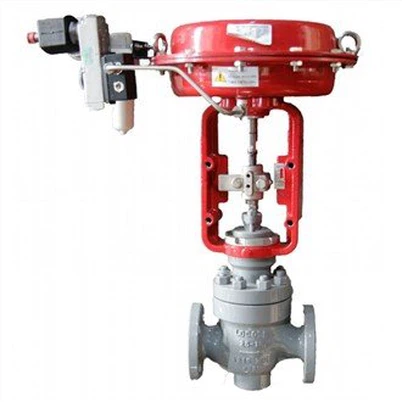
Fault Diagnosis and Preventive Maintenance of pressure Control valves
Leave a message
In industrial systems, pressure control valves serve as critical control components responsible for regulating key parameters such as pressure and flow. Their stable performance directly impacts the operational efficiency and safety of entire industrial processes. Across sectors including petrochemicals, power generation, pharmaceuticals, and food & beverage, these valves perform indispensable functions.
Should pressure control valves malfunction, consequences may include uncontrolled system pressure, flow irregularities, compromised product quality, or even production accidents – all carrying significant economic losses and safety risks.
Consequently, timely fault diagnosis and effective preventive maintenance for pressure control valves hold substantial practical significance. Fault diagnosis enables rapid and precise identification of valve failures, providing actionable insights for repairs while minimizing downtime. Preventive maintenance allows proactive intervention before failures occur, extending valve service life, reducing maintenance costs, and ensuring system stability.
This article will provide an in-depth exploration of common failure modes, diagnostic methodologies, monitoring technologies, preventive maintenance strategies, and maintenance cycle determination for pressure control valves.
Common Fault Types and Diagnostic Methods of Pressure Control Valves
Common Failure Types
Leakage Failures: Include internal leakage and external leakage. Internal leakage occurs when media continues to flow from the high-pressure side to the low-pressure side despite the valve being closed, resulting in system pressure drop and flow loss. External leakage refers to media escaping from connection points between the valve and piping, or valve body seals, into the external environment. This not only wastes media but can also cause environmental pollution and safety incidents.
Operational Failure (Malfunction): Primarily manifests as valve stem sticking or actuator failure. Valve stem sticking can be caused by foreign material entering between the stem and bushings, inadequate lubrication, or stem bending, preventing the valve from opening or closing normally. Actuator failure may involve issues such as motor damage in electric actuators, insufficient air supply pressure for pneumatic actuators, or solenoid valve malfunctions, impacting the valve's response speed and positioning accuracy.
Abnormal Flow Characteristic Failure: The flow characteristics of a control valve should align with its design specifications. Deviations from the expected flow characteristic can lead to inaccurate system flow regulation, failing to meet process requirements. This is often caused by internal structural damage, worn valve trim, or deformed valve seats.
Declining Sealing Performance Failure: Over time, the valve's sealing components gradually wear and age, leading to reduced sealing effectiveness. Declining sealing performance not only causes leakage but can also negatively impact the valve's control accuracy and operational stability.
Diagnostic Methods
Visual Inspection: Inspectors examine the valve's external appearance, signs of leakage, and tightness of connections to identify potential faults. For instance, visible media leakage externally may indicate damaged seals or loose connection bolts; scratches or corrosion on the valve stem surface could impede its normal operation.
Instrument Testing: Technicians use gauges (pressure, flow, temperature) to measure parameter changes upstream and downstream of the valve. Faults often manifest as abnormal deviations in these readings. For example, persistent downstream pressure after valve closure suggests internal leakage; significant discrepancies between flowmeter readings and setpoints indicate abnormal flow characteristics.
Acoustic Diagnostics: Operators listen to operational sounds to pinpoint fault locations. Distinct sound signatures correspond to different issues: friction or sticking noises may signal stem seizure, while unusual motor whine or pneumatic hissing often points to actuator malfunctions.
Vibration Analysis: Engineers employ vibration sensors to capture valve vibration signals. Analysis of signal frequency and amplitude helps detect faults. Increased vibration amplitude typically indicates internal component looseness or wear, while vibration frequency converging with the system's natural frequency suggests resonance.
How to Detect potential faults of pressure control valves in advance through monitoring technology
Online Monitoring Technologies
Pressure Monitoring: Continuously monitors pressure fluctuations upstream and downstream of the valve. Analyzing pressure data trends enables operators to promptly identify valve failures such as leakage or blockage. For instance, internal leakage will cause a gradual rise in downstream pressure after valve closure, while a blockage manifests as an increased pressure differential across the valve.
Flow Monitoring: Detects abnormal flow rates through the valve, facilitating the rapid identification of changes in flow characteristics or internal leakage. Significant deviations between actual flow and the setpoint typically indicate valve malfunction, necessitating further inspection and maintenance.
Temperature Monitoring: Temperature anomalies often signal potential valve faults. Internal frictional heat generation, for example, elevates localized temperatures. Similarly, media leakage can cause temperature differences at the leak point compared to the surrounding environment. Monitoring temperature variations at critical valve locations allows for early detection of potential failures.
Vibration Monitoring: Employs vibration sensors to capture abnormal vibration signatures during valve operation. These signatures contain rich diagnostic information; analyzing and processing the vibration data helps determine if valve components are loose, worn, or fractured. Bending of the valve stem or sticking of the valve plug, for instance, produces distinctive vibration frequencies and amplitudes.
Introduction to Intelligent Monitoring Systems: Intelligent monitoring systems integrate multiple monitoring functions, enabling real-time acquisition, analysis, and processing of diverse operational valve data. These systems transmit data via networks to centralized monitoring stations, facilitating remote valve supervision and fault prediction. Additionally, intelligent systems feature data storage and analytical capabilities. They can mine and analyze historical valve performance data, providing robust data-driven decision support for valve maintenance and management strategies.
Offline Monitoring Techniques
Periodic Performance Testing: Conduct regular testing of key valve performance indicators, such as flow characteristic testing and sealing integrity testing. Comparing results with baseline (initial) performance data enables timely detection of performance degradation and identification of incipient failures. For instance, periodic measurement of the valve flow coefficient (Cv); a significant reduction in Cv typically indicates internal blockage or component wear.
Oil/Fluid Analysis (For Hydraulically Actuated Valves): Analyze hydraulic fluid for contaminants and wear debris. The presence and characteristics of contaminants and wear particles directly reflect the wear condition of internal components. This analysis facilitates early detection of potential valve faults, allowing proactive maintenance actions to prevent further degradation and failure progression.
Key Measures and Cycle Determination for Preventive Maintenance of Pressure Control Valves
Key Measures
- Regular Cleaning and Lubrication: Maintain valve cleanliness by routinely removing dust, oil, and debris from surfaces to prevent contaminants from affecting internal components. Periodically lubricate moving parts (e.g., stems, bushings) to minimize friction and ensure smooth actuation.
- Seal Replacement and Maintenance: Replace stem seals promptly based on wear and usage conditions. Select high-quality seals that meet design specifications and install them strictly according to standards to guarantee effective sealing.
- Component Inspection and Tightening: Regularly inspect valve components (e.g., bolts, nuts, stems, trim) for integrity and secure connections. Tighten loose parts immediately to prevent leaks or operational failure.
- Actuator Maintenance: Perform scheduled upkeep for actuators (electric, pneumatic, etc.). Check operational status of motors, cylinders, solenoid valves, and ensure stable power/air supply. Clean or replace actuator filters and lubricants to maintain optimal performance.
- Operational Procedure Training: Train operators on standardized procedures and maintenance essentials for pressure control valves. Ensure correct operation to avoid valve damage and enhance fault recognition capabilities for timely troubleshooting.
Maintenance Interval Determination Methods
- Run-Time-Based Scheduling: Establish maintenance schedules according to the valve's cumulative operating hours. Generally, extended operation leads to increased wear and aging, necessitating more frequent maintenance. For example, valves in continuous service might undergo minor maintenance every 5,000 operating hours and major overhauls every 10,000 operating hours.
- Condition-Based Adjustment: Adjust intervals based on the impact of operating conditions such as process media, pressure, and temperature. Valves operating under severe conditions (e.g., high temperature, high pressure, highly corrosive media) experience accelerated wear and aging, requiring shortened maintenance cycles. Conversely, favorable operating conditions permit extended intervals.
- Manufacturer Recommendations & Industry Standards: Determine maintenance intervals by consulting equipment manufacturer maintenance manuals and relevant industry standards. Manufacturers typically provide detailed maintenance recommendations based on valve design and operational experience, while industry standards often specify required intervals. Final interval determination should integrate these guidelines with actual operating conditions.
To ensure the reliable operation of pressure control valves, it is essential to comprehensively utilize multiple fault diagnosis methods and monitoring technologies, establishing a well-rounded preventive maintenance system. Maintenance schedules should be reasonably determined based on the actual operating conditions and characteristics of the valves, with timely maintenance and repairs carried out.
Moving forward, as technology continues to advance, maintenance techniques for pressure control valves will evolve toward intelligent, automated, and remote capabilities. For example, IoT technology can be leveraged to enable real-time remote monitoring and fault prediction for valves. Big data analytics can be applied to deeply mine and analyze valve operation data, providing more scientific and precise decision-making support for valve maintenance and management.
With the continuous development of maintenance technologies, pressure control valves will be better positioned to serve industrial production and play a greater role in industrial advancement.