What Is The Installation Principle Of Pneumatic Control Valve?
Leave a message
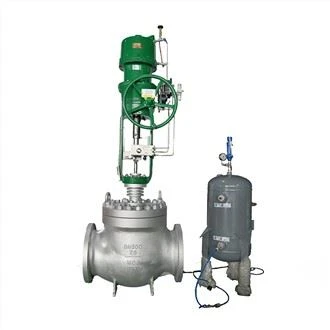
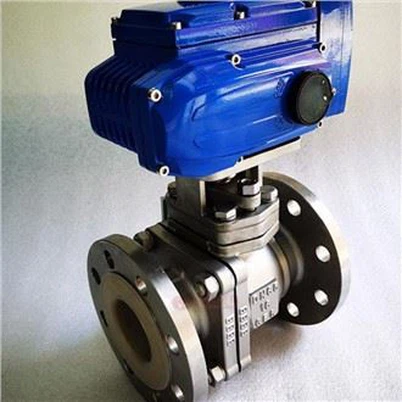
Pneumatic regulating valve is a right-angle rotary structure, which is composed of V-shaped valve body, pneumatic actuator, positioner and other accessories; it has an inherent flow characteristic of approximately equal percentage; it adopts double bearing structure, with small starting torque and good performance. Sensitivity and induction speed; super shearing ability. The pneumatic control valve is simple in control, fast in response, and intrinsically safe, and does not require additional explosion-proof measures. Pneumatic control valve is powered by compressed air to realize switching or proportional adjustment. The source is the cylinder as the actuator, and receives the control signal of the industrial automation control system to adjust the flow, pressure, temperature and other process parameters of the pipeline medium.
Before installing the pneumatic control valve, you need to know the following points:
1. The installation position of the pneumatic control valve requires a certain height from the ground, and there must be a certain space above and below the valve to facilitate the disassembly and repair of the valve. For regulating valves equipped with pneumatic valve positioners and handwheels, it must be easy to operate, observe and adjust.
2. The regulating valve should be installed on the horizontal pipeline, and the top and bottom are vertical to the pipeline. Generally, it should be supported under the valve to ensure stability and reliability. For special occasions, when the regulating valve needs to be installed horizontally on a vertical pipeline, the regulating valve should also be supported (except for the small-diameter regulating valve). When installing, avoid adding additional stress to the regulating valve).
3. The working environment temperature of the control valve should be (-30~+60), and the relative humidity should not be greater than 95%.
4. There should be a straight pipe section at the front and rear of the regulating valve, and the length should not be less than 10 times the pipe diameter (10D), so as to avoid the straight pipe section of the valve being too short and affecting the flow characteristics.
5. When the diameter of the regulating valve is not the same as that of the process pipeline, it should be connected with a reducer. Threaded connections can be used when installing small-diameter control valves. The fluid direction arrow on the valve body should be consistent with the fluid direction.
6. To set up the bypass pipe. The purpose is to facilitate switching or manual operation, and the control valve can be repaired without stopping.
7. Before installing the regulating valve, thoroughly remove foreign matter in the pipeline, such as dirt, welding slag, etc.