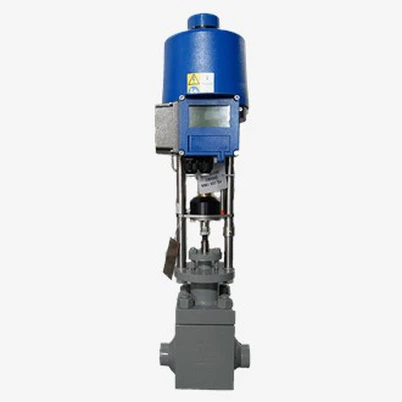
Flow characteristics of the regulating valve
Leave a message
The flow characteristics of the regulating valve mainly include four kinds of flow characteristics: linear, equal percentage, quick opening and parabolic.
When installed in the actual control process, the differential pressure of the valve will change with the flow. That is, when the flow rate is small, the pressure loss of the piping part is small, and the differential pressure of the valve will increase, and when the flow rate is large, the differential pressure of the valve will become small. This valve characteristic that is different from the inherent characteristic is called the effective flow characteristic.
Valve action includes forward action, reverse action and holding action. The positive action method of pneumatic drive such as diaphragm type and cylinder type is the method of closing the valve by increasing the air pressure signal, also known as "AIR TO CLOSE". The reverse action method is a method of opening the valve by increasing the air pressure signal, also known as "AIR TO OPEN" or "AIRLESS TO CLOSE". The electrical operation signal can be converted into an air pressure signal by the positioner. When the operation signal is terminated or the air source is interrupted and the power is cut off, please consider the safety and rationality of the program and select the valve to close or open.