Treatment Method For Mechanical Vibration Of Pneumatic Control Valve
Leave a message
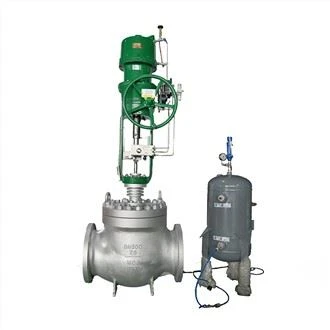
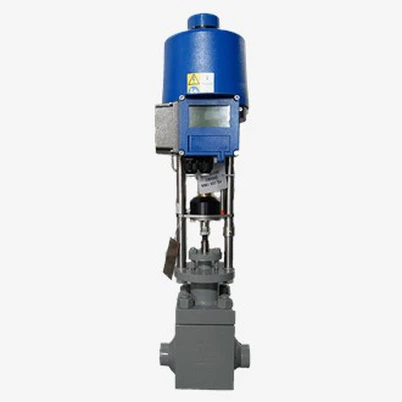
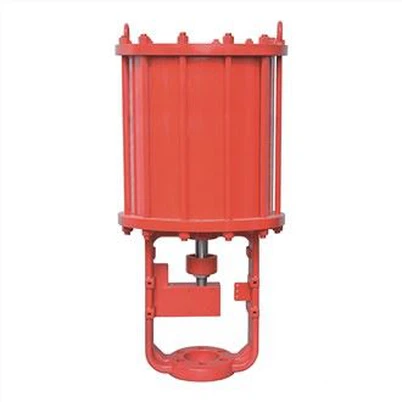
The first thing to do is to select the components correctly. If the valve flap changes rapidly, the sensitivity of the valve positioner is too high, and the small change or drift of the output of the regulator will be immediately converted into a large output signal of the positioner, causing the valve to oscillate. The friction of the regulating valve is too small, and a slight change or drift in the external input signal will be immediately transmitted to the valve disc, causing it to vibrate. On the contrary, if the friction force of the regulating valve is too large, it will not be able to act when the signal is small, and when the signal is large, the phenomenon will be too large once it acts, which will cause the regulating valve to produce hysteretic oscillation. In this case, the damping of the corresponding part of the regulating valve should be reduced, such as replacing the packing.
Secondly, attention should be paid to the valve stem connection. During the normal operation of some process units, the high-temperature and high-pressure steam continues to pass through the high-pressure valve spool, causing torque between the high-pressure valve spool and the valve stem, thereby shearing the screw pin, and the vibration of the valve seat. The reasons for this, the cylindrical pin is seriously affected until it is broken and damaged, and the high-pressure regulating valve stem falls off, threatening the safety of the unit, and if it is improperly repaired, it will leave a great safety hazard.