What is the difference between a valve and a control valve?
Leave a message
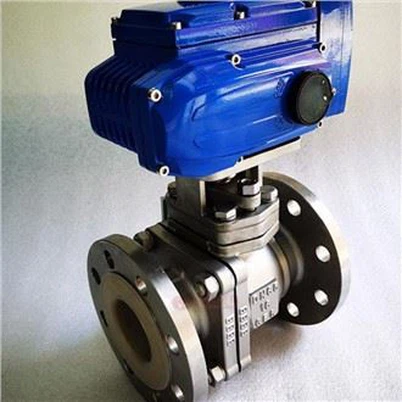
A valve is a general term that refers to a device used to control the flow of a fluid (liquid or gas) by opening, closing, or partially obstructing the passage. Valves can serve various purposes, including isolating and regulating the flow, controlling pressure, and directing the fluid to different paths.
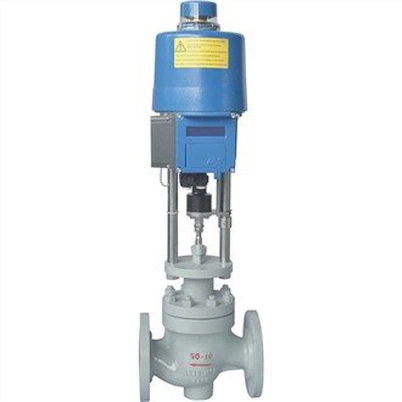
On the other hand, a control valve is a specific type of valve that is designed and used primarily for regulating or controlling the flow rate, pressure, temperature, or level of a fluid within a system. Control valves are equipped with additional components that allow for precise control and modulation of the fluid flow. These components include actuators, positioners, and controllers.
The key difference between a valve and a control valve lies in their purpose and functionality. While both types of valves are used to manage the flow of fluids, control valves are specifically designed for accurate and dynamic control in industrial processes. They are typically used in systems where maintaining precise process parameters is critical, such as in chemical plants, oil refineries, power plants, and water treatment facilities.
Control valves provide the capability to modulate the flow rate or pressure of a fluid based on input signals from control systems. They can be adjusted to achieve specific setpoints, respond to changes in process conditions, and maintain desired process parameters within a specified range. The additional components and features of control valves enable them to function as part of a larger control loop, interacting with sensors, transmitters, and controllers to achieve the desired process control objectives.