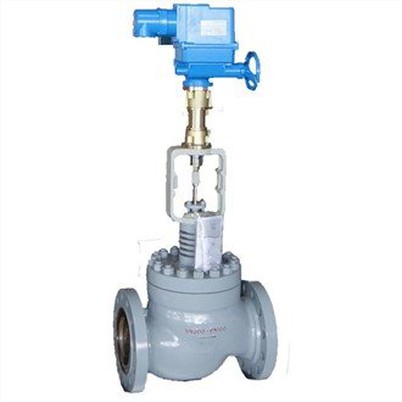
What are the two types of control valve?
Leave a message
Control valves can generally be categorized into two main types based on their method of operation:
On/Off Control Valves: On/off control valves, also known as two-position control valves, are designed to provide binary control, meaning they have two states: fully open or fully closed. These valves are typically used in applications where precise control of flow rate is not required, and the process is regulated by periodically opening and closing the valve. On/off control valves are commonly used for applications such as start/stop control, isolation, and emergency shut-off.
Modulating Control Valves: Modulating control valves, also known as throttling valves, are designed to provide continuous and precise control over the flow rate. These valves can vary the position of the valve plug, disc, or other internal components to modulate the flow area and achieve the desired flow rate. Modulating control valves are typically used in applications where precise control and regulation of process parameters, such as flow, pressure, or temperature, are required. They are commonly used in industries such as oil and gas, chemical, power generation, and water treatment.
Modulating control valves can further be classified into different types based on their mode of operation, such as globe valves, butterfly valves, ball valves, and rotary valves. Each type has its own advantages, characteristics, and suitability for specific applications. The selection of the appropriate control valve type depends on factors such as the desired control accuracy, flow requirements, pressure conditions, temperature, media compatibility, and industry standards.
It's important to note that the classification of control valves into these two types is based on the general operating principle, and there can be variations and specialized designs within each category to suit specific requirements and applications.