

Environmental factors that accelerate the corrosion process of electric single-seat regulator valves
Leave a message
Electric single-seat control valves play a key function in industrial control systems. They are widely used in petroleum, chemical industries, electrical energy systems and other fields. They are mainly used to regulate fluid flow, pressure and temperature conditions. The performance of the system directly affects its stable operation and operating efficiency. However, the corrosive environment poses a severe test to the composition and structure of the control valve, especially in environments that cannot withstand corrosion, which may cause equipment damage or even failure to work properly. Therefore, strengthening the anti-corrosion properties of control valves has gradually become a problem that needs to be solved as soon as possible. This study focuses on the shortcomings of the corrosion resistance of electric single-seat control valves, as well as the causes and countermeasures of this problem, aiming to extend the service life of the equipment and enhance the robustness of the overall system.
The main damage types caused by the insufficient corrosion resistance of the electric single-seat control valve
The damage of corrosion to the electric single-seat control valve is reflected in many aspects:
1. Reduced sealing performance: Corrosion will cause the hardness and strength of the valve body and valve core materials to gradually decrease, thus gradually causing deformation and surface unevenness, which affects the precise opening and closing of the valve.
2. Deformation and wear of the valve body and valve core: Corrosion will cause the hardness and strength of the valve body and valve core materials to gradually decrease, thus gradually causing deformation and surface unevenness, which affects the precise opening and closing of the valve. .
Control system failure: Oxides and other impurities generated by the corrosion process may adhere to components such as sensors or circuit boards, resulting in instability of the signal flow, thereby interfering with the normal operation and control of the system.
Shortened equipment life: When important components of the control valve are damaged or fail, this will directly have an adverse effect on the durability and stability of the control valve, thereby increasing the economic cost of replacement and maintenance.
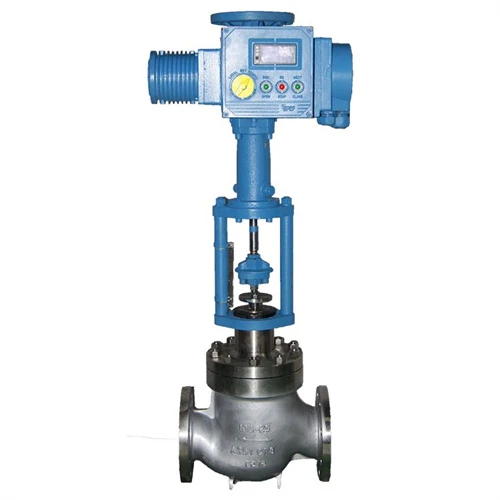
Environmental factors that accelerate the corrosion process of electric single-seat control valves
The rate and pattern of regulating valve corrosion are affected by a variety of environmental factors:
1. Corrosive media: Corrosive media such as acids, alkalis, and salt solutions can have significant corrosive effects on valves, especially under high-concentration conditions, where the corrosion rate is faster.
2. Temperature and pressure: Higher temperatures and pressures will accelerate the corrosion process of materials and accelerate the rate of chemical reactions, thereby accelerating the aging and damage of equipment.
3. Fluid flow rate: The increase in flow rate brings a stronger scouring effect, resulting in an accelerated corrosion rate on the inner surface of the valve, especially in fluids containing solid particles.
4. Impurities and particles: Dust and impurities in the environment will form an adhesion layer on the surface of the valve, promote local electrochemical corrosion, and further damage the structure and performance of the material.
Strategy to ensure the corrosion resistance of electric single-seat control valves in the design and material selection stage
Taking reasonable measures in the design and material selection stage is the basis for improving the corrosion resistance of electric single-seat control valves.
1. Material selection: Selecting materials with corrosion resistance, such as stainless steel, alloy steel, etc., can improve durability in highly corrosive environments.
2. Structural design optimization: In structural design, try to minimize dead corners in the fluid channel to allow the fluid to pass evenly, reduce the accumulation of corrosive substances, and extend service life.
3. Surface treatment: Use surface treatment processes such as galvanizing and spraying anti-corrosion layers to form a protective layer to effectively resist direct corrosion from the medium.
4. Manufacturing process quality control: Strict quality control is carried out on each manufacturing link to ensure that the control valve achieves the best corrosion resistance when it leaves the factory.
Corrosion prevention measures for installed electric single-seat control valves
In order to extend the service life of the control valve, the installed equipment needs to take multi-level corrosion prevention measures:
1. Regular inspection and maintenance: Regularly check the appearance and performance of the control valve, promptly detect and deal with signs of corrosion, and ensure that the equipment operates in the best condition.
2. External anti-corrosion measures: Protect the external surface of the control valve by applying anti-corrosion coatings and using sacrificial anodes to prevent it from direct contact with corrosive media.
3. Process parameter adjustment: By filtering corrosive media, controlling temperature and other measures, the corrosion process of the control valve can be effectively slowed down.
4. Use corrosion-resistant lubricants and sealants: Anti-corrosion lubricants can be applied to the valve body and sealing surface to reduce friction and prevent corrosion from worsening, thereby extending the life of the equipment.
Inspection and maintenance measures when the electric single-seat control valve shows signs of corrosion
When the control valve shows signs of corrosion, effective inspection and maintenance measures should be taken in time.
1. Preliminary inspection: observe the degree of corrosion, detect whether there is leakage, measure the leakage amount, and confirm the sealing performance of the valve.
2. Corrosion cleaning and repair: clean the corroded parts and replace damaged parts if necessary to ensure the function of the control valve is restored.
3. Performance testing and calibration: after the maintenance is completed, a series of functional tests are carried out on the equipment to ensure that its adjustment accuracy and sealing meet the design requirements.
4. Preventive maintenance plan: formulate a detailed preventive maintenance plan, regularly check the operating status of the equipment, and prevent further development of corrosion.


