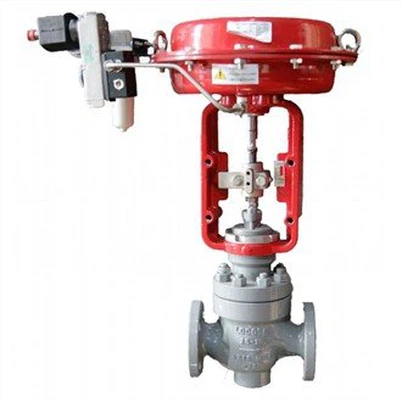
The consequences and countermeasures of improper material selection of single seat regulating valve
Leave a message
Effect of improper material selection on the performance of single-seat regulating valve
Seal degradation
Improper material selection is one of the main reasons for the deterioration of sealing performance of single-seat regulating valve. When the valve material is not compatible with the chemical properties of the working medium, the sealing surface is vulnerable to corrosion or wear, resulting in leakage problems. Leakage will not only affect the stability of the system, but also may cause environmental pollution and security risks.
Reduced corrosion resistance
In an industrial environment containing corrosive media, if the material of the single-seat regulator does not have sufficient corrosion resistance, deterioration will occur rapidly. This will not only damage the internal structure of the valve, but also may lead to seal failure, which will lead to more serious leakage problems. Material selection with insufficient corrosion resistance will significantly shorten the service life of the valve and increase maintenance costs.
High/low temperature resistance is insufficient
Single-seat control valves often need to work in extreme temperature environments. If the selected material is easy to soften and deform at high temperatures or become brittle and crack at low temperatures, it will directly affect the sealing performance and adjustment accuracy of the valve. In addition, temperature fluctuations may also cause thermal expansion and contraction of the material, further aggravating the risk of valve wear and leakage.
Flow control accuracy is damaged
The thermal expansion, cold contraction and deformation characteristics of the material will interfere with the flow control accuracy of the single-seat regulator. In a working environment with large temperature changes, if the material is improperly selected, the size of the internal components of the valve will change, which will affect the accurate adjustment of the flow rate. This will not only reduce production efficiency, but also may have an adverse effect on product quality.
Shortened service life
Combining the above factors, improper material selection will significantly shorten the service life of the single-seat regulator. Frequent maintenance and replacement will not only increase the operating costs of the enterprise, but also may affect the continuity and stability of the production process. Therefore, the comprehensive properties and use environment of materials must be fully considered in the material selection process.
Common faults or problems caused by improper material selection
leak
Leakage is one of the most common faults of improper material selection of single-seat regulator. According to the different leakage positions, it can be divided into internal leakage and external leakage. Internal leakage may lead to mixing of media and affect product quality; Leakage may cause environmental pollution and safety hazards. When the leakage problem is serious, it may even lead to production interruption and safety accidents.
Plugging and bonding
Improper material selection may promote the deposition or bonding of the medium inside the valve, resulting in valve clogging. Blockage will not only affect the flow control, but also may cause safety accidents due to the media can not be discharged in time. In addition, clogging can exacerbate valve wear and corrosion problems, further shortening the service life of the valve.
Excessive wear
When the hardness and wear resistance of the material are insufficient, the components of the single-seat control valve will wear rapidly under high-speed fluid erosion. Excessive wear will lead to valve performance decline or even failure, increasing maintenance costs and production risks. Therefore, the wear resistance and service life of the material must be fully considered in the material selection process.
Control instability
The fluctuation of material properties may affect the response speed and stability of the single-seat regulator. For example, changes in the elastic modulus of the material can cause the valve to act slowly or erratically, which in turn affects the accuracy of flow control. Control instability will directly affect the stability of production process and product quality.
Safety hazard
Improper material selection can lead to a variety of safety hazards. Problems such as leaks, clogging, and excessive wear can lead to production disruptions and safety incidents. In addition, if the selected material is prone to explosion or combustion in a high temperature or high pressure environment, it will further aggravate the safety hazard. Therefore, the safety properties of materials must be fully considered in the material selection process.
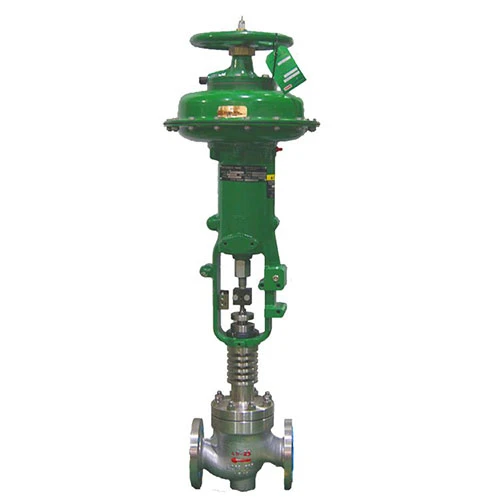
Method for estimating material suitability of single-seat regulating valves
Working medium analysis
In the selection of single-seat control valve materials, the characteristics of the working medium should first be deeply analyzed. This includes factors such as the corrosiveness of the medium, temperature, pressure, and fluidity. Selecting the right material according to the characteristics of the medium can ensure that the valve maintains stable performance and reliable sealing during operation.
Operating condition consideration
In addition to the characteristics of the working medium, the influence of the operating conditions on the selection of materials should also be fully considered. This includes factors such as temperature range, pressure rating, and flow characteristics. Choosing the right material according to the operating conditions can ensure that the valve can still work properly in harsh environments such as high temperature, high pressure or high flow.
Cost-benefit analysis
In the process of material selection, cost-benefit analysis is also required. Balancing material performance and cost, choosing the most cost-effective material can ensure economy and practicality. At the same time, factors such as the machinability and maintainability of materials should also be considered to reduce maintenance costs and improve service life.
Standards and code compliance
Compliance with industry standards and specifications is an important guarantee to ensure the rationality of the selection of single-seat regulating valve materials. When selecting materials, reference should be made to the relevant standards and specifications to ensure that the selected materials meet the safety, environmental protection and performance requirements. In addition, we should also pay attention to the update and change of standards, and adjust the material selection strategy in time.
Material testing and verification
After material selection is determined, the necessary material testing and validation should also be carried out. The performance stability and reliability of the material can be assessed by testing it under simulated actual operating conditions. For critical components and important materials, long-term performance tracking and evaluation should also be carried out to ensure that the valve maintains stable performance and reliable sealing throughout its service life.
Remedial or replacement measures for materials that have been improperly selected
Material replacement
When it is found that the material selection of the single-seat regulating valve is not appropriate, the material should be replaced in time. The replacement process includes steps such as determining the type and specification of the new material, developing the replacement plan, purchasing the new material, and removing the old valve and installing the new valve. During the replacement process, attention should be paid to protecting other equipment and pipelines around the valve to avoid secondary damage. At the same time, the properties of new materials should also be fully tested and verified to ensure that they meet the requirements for use.
Design adjustment
In some cases, changing the structural design to fit existing materials or improving performance is also a viable remedy. For example, the width and depth of the sealing surface can be increased to improve the sealing performance; Or use a special flow channel design to reduce the erosion and wear of the medium to the valve. Design adjustments should be made based on actual conditions and fully tested and validated to ensure their effectiveness and reliability.
Surface treatment technology
Surface treatment technologies such as coating, plating, etc., can also be used to improve the performance of single-seat regulator materials. By selecting the appropriate surface treatment technology, the corrosion resistance, wear resistance and high temperature resistance of the material can be improved. However, when selecting surface treatment technology, attention should be paid to its impact on the overall performance of the valve, and ensure that the treated material still complies with the relevant standards and specifications. In addition, the processed material should also be fully tested and verified to ensure that its performance meets the requirements of use.
Performance monitoring and maintenance
Strengthening performance monitoring and maintenance is an effective means to find and deal with potential problems of single-seat regulating valves in time and extend their service life. By regularly checking and testing the performance parameters of the valve (such as tightness, flow control accuracy, etc.), problems such as material aging and wear can be found in time, and corresponding maintenance measures can be taken to deal with them. At the same time, a sound maintenance record and management system should also be established in order to track and manage the maintenance of the valve.
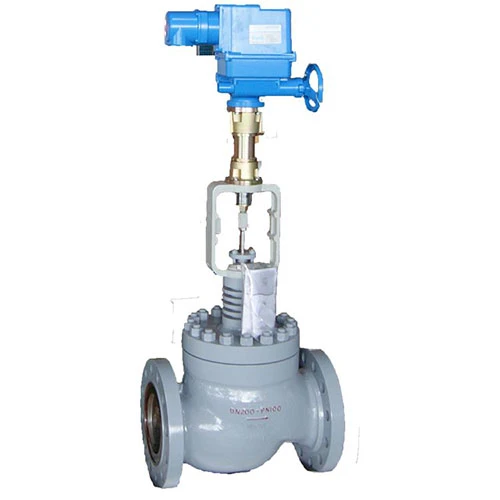
Establish effective quality control and prevention mechanisms
Standard process development
The development of a standardized process for material selection, procurement, acceptance and use is the basis for ensuring the quality and reliability of single-seat regulating valve materials. By clarifying the responsibilities and requirements of each link, the material management process can be standardized and the quality risks caused by human factors can be reduced. The standard process should cover the basis of material selection, the channels and methods of procurement, the standards and methods of acceptance, and the precautions in the process of use.
Supplier management
Strengthening supplier audit and evaluation is an important link to ensure the quality and reliability of single-seat regulating valve materials. Through regular quality audit and evaluation of suppliers, potential quality problems can be discovered and solved in time, and suppliers can be urged to continuously improve and improve material quality. In addition, a supplier blacklist system should be established to punish and eliminate suppliers with serious quality problems.
Regular training and knowledge update
Improving the team's understanding of material science and selection ability is the key to ensuring the rationality of material selection of single-seat regulator. By organizing regular training and knowledge updating activities, team members can improve the level of knowledge about material properties, application scope and selection principles. The training content should cover the basic knowledge of materials, the principles and methods of material selection, and the development trend of new materials. At the same time, team members should also be encouraged to actively participate in industry exchanges and academic discussions to broaden their horizons and enhance their professionalism.
Continuous improvement and feedback mechanism
The establishment of problem feedback and continuous improvement mechanism is an effective way to optimize the material selection process of single-seat control valve. By collecting and analyzing the problems and feedback in the process of material use, potential quality problems can be discovered and solved in time, and the material selection criteria and methods can be continuously improved. The feedback mechanism should cover the collection, analysis and treatment of problems, and clarify the responsibilities and requirements of each link. At the same time, the effectiveness of the feedback mechanism should be regularly evaluated and improved to ensure that it can continue to play a role.
Improper material selection has a serious impact on the performance and reliability of the single-seat regulator, which may lead to a variety of failures and problems such as leakage, blockage, wear and so on. In order to ensure the normal operation of the single-seat control valve and the stability and safety of the production process, we must attach great importance to the selection of materials. Through scientific evaluation, strict control and continuous improvement of the material selection process, the problems caused by improper material selection can be effectively avoided. Looking to the future, under the trend of intelligence and digitalization, material selection and management will pay more attention to data-driven and intelligent decision-making. Through the introduction of advanced material database and intelligent material selection system and other technical means, the accuracy and reliability of material selection can be further improved, providing a strong guarantee for the stable operation of industrial automation control system.