How to lubricate a pneumatic three - way ball valve?
Leave a message

Hey there! As a supplier of Pneumatic Three Way Ball Valves, I've gotten a ton of questions about how to lubricate these nifty devices. Lubrication plays a crucial role in the performance and longevity of your pneumatic three - way ball valve, so I'm here to break it down for you in an easy - peasy way.
First off, let's talk about why lubrication is so important. A well - lubricated valve operates smoothly. It reduces friction between the moving parts, like the ball and the seats. When there's less friction, the valve requires less force to open and close, which means less wear and tear on the components. This not only extends the lifespan of the valve but also ensures consistent and reliable performance over time.
Now, before you start lubricating, you need to gather the right tools and materials. You'll need a suitable lubricant. Make sure to choose a lubricant that's compatible with the materials used in your valve. For most pneumatic three - way ball valves, a high - quality silicone - based or synthetic lubricant works great. You'll also need a clean cloth to wipe down the valve, a small brush for applying the lubricant, and some safety gear like gloves and safety glasses.
The first step in the lubrication process is to shut down the system. You don't want any pressure or flow in the valve while you're working on it. This is a safety measure to prevent any accidents. Once the system is shut down, you should relieve the pressure in the valve. This can usually be done by opening the valve in a way that allows the trapped air or fluid to escape.
Next, it's time to clean the valve. Use the clean cloth to wipe away any dirt, debris, or old lubricant from the exterior of the valve. Pay special attention to the areas around the ball and the seats. If there's stubborn dirt, you can use a mild solvent and the small brush to gently scrub the parts. But make sure to rinse off the solvent thoroughly and let the valve dry completely before applying new lubricant.
When it comes to applying the lubricant, start with a small amount. You don't want to over - lubricate the valve. Too much lubricant can attract more dirt and debris, which can actually cause more problems in the long run. Use the small brush to apply a thin layer of lubricant to the ball. Make sure to cover the entire surface of the ball evenly. Then, apply a small amount of lubricant to the seats as well. You can use the brush to spread the lubricant around the inner edges of the seats.
After applying the lubricant, slowly open and close the valve a few times. This helps to distribute the lubricant evenly throughout the valve. You'll notice that the valve should operate more smoothly as you do this. If you feel any resistance or if the valve doesn't seem to be moving as freely as it should, you may need to apply a little more lubricant in the areas where the resistance is felt.
Once you're satisfied with the lubrication and the valve's operation, it's time to reassemble the valve (if you had to disassemble it for cleaning). Make sure all the parts are properly aligned and tightened. Then, you can start up the system again. Monitor the valve's performance for a while to ensure that everything is working as it should.
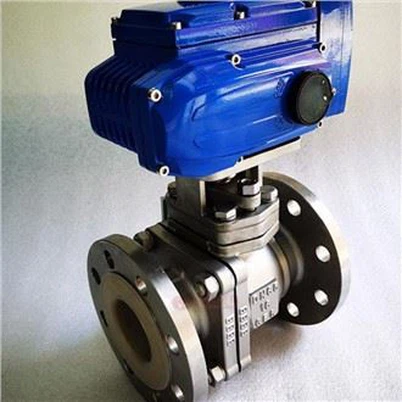
Now, I want to mention some related products that you might be interested in. If you're looking for an alternative to pneumatic valves, we also offer Electric Three Way Ball Valve. These valves are controlled electrically and can be a great option for certain applications. For those who need a valve that can handle more corrosive substances, our Pneumatic Fluorine Lined Ball On Off Valve is a top - notch choice. And of course, our Pneumatic Ball On Off Valve is another reliable product in our lineup.
Regular lubrication of your pneumatic three - way ball valve is essential for its proper functioning. By following these steps, you can keep your valve in tip - top shape and avoid costly repairs or replacements. If you have any questions about lubrication or about our products, don't hesitate to reach out. Whether you're a small business owner or part of a large industrial operation, we're here to help you find the right valve solutions for your needs. Contact us today to discuss your requirements and start a purchase negotiation. We're confident that we can provide you with high - quality valves at competitive prices.
References:


- "Valve Maintenance Handbook" by Valve Manufacturers Association
- Industry - specific guidelines on pneumatic valve maintenance from leading valve manufacturers