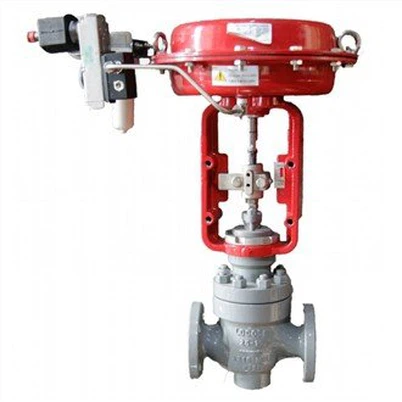
Standard for valve welding
Leave a message
In the petroleum, chemical, metallurgical and energy industries, valves are one of the most widely used fluid control equipment. As an important part of the pipeline system, there are many specifications and types of valves, and their functions are different. Some are used to connect or cut off the medium, adjust the medium pressure or flow, prevent the medium pressure from exceeding the specified value, and ensure the safe operation of the pipeline or equipment. Some are also used to separate, mix or distribute media to ensure system process conditions. Because of the role of valve in pipeline system, the manufacturing process of valve will directly affect the safe operation of pipeline equipment. Therefore, the "pressure pipeline components manufacturing safety registration and management Measures" stipulate that the valve manufacturing unit should accept safety registration, and only the valve produced by the manufacturing unit with safety registration can be used for pressure pipelines.
With the continuous development of working conditions, the requirements for valve performance are getting higher and higher, and the relevant processes in product manufacturing are also getting more and more attention. Due to the incomplete technical specifications related to valve and pipeline components, there are no clear regulations on valve welding, corrosion resistance surfacing and wear resistance surfacing. The particularity of the valve, whether can follow the relevant boiler pressure vessel pressure pipe manufacturing technical specifications still need to be discussed, all these bring certain difficulties to the safety registration review of the valve. This paper analyzes the relevant problems, and suggests that the corresponding content can be added according to the actual needs when formulating new standards, so that the technical specification is more comprehensive and easy to operate.
The valve body of large valves is generally welded in the manufacture, and the wall thickness of the valve body is often greater than 38mm. According to the relevant regulations of pressure vessels and pressure pipelines at home and abroad, when the thickness of the weldment is greater than 38mm, it is necessary to carry out thermal aging treatment after welding, which is to dehydrogen, eliminate welding residual stress and restore the plasticity of the material. However, due to the different sealing materials, and the thermal aging after welding can lead to the deformation of the valve body, whether the valve should be heat treated, or what should be done to ensure the quality, there are no provisions in the relevant domestic standards. At present, foreign large welded valves have entered our market, should be based on what specifications to accept or valve without post-welding heat treatment is in line with the requirements, but also worth discussion and research. Therefore, for a specific product such as a large welded valve, especially for whether it is to be heated after welding, it is necessary to carry out a comprehensive test, including the study of the welding groove, joint form, temperature stress distribution or control and stress deformation removal, to determine the reliability of the welded joint, and develop the corresponding specifications to ensure the quality and reliability of the valve.